
No Kings rallies hit cities nationwide to push anti-Trump turnout
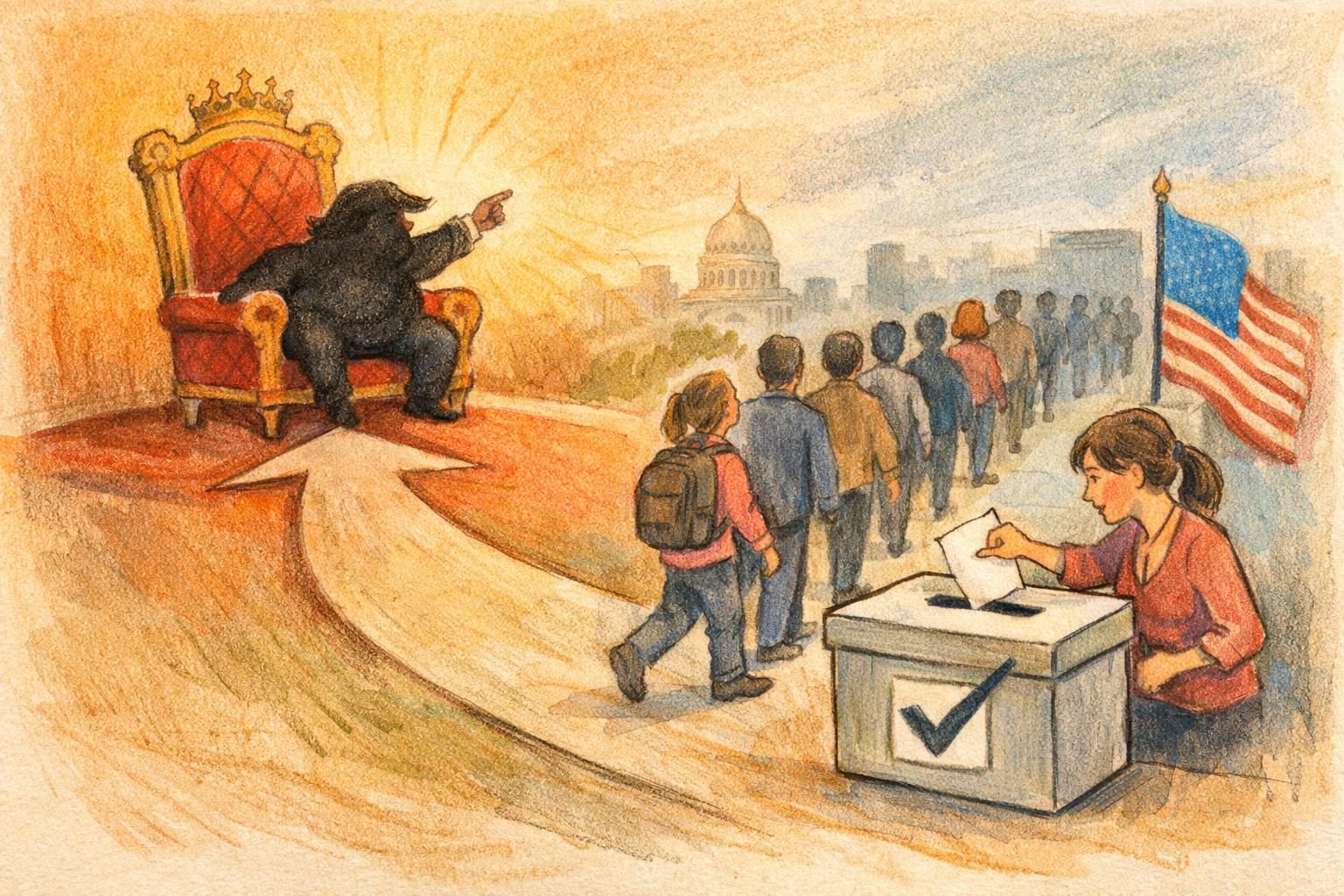
Thousands of people turned out at No Kings rallies in cities across the country on Saturday, and the organizing message was clear: protest is only part of the assignment. The gatherings were built to do more than register anger at President Donald Trump and his administration. They were designed to push people toward early voting, toward ballot choices in the midterms, and toward treating opposition as a civic habit rather than a one-day show of frustration. That distinction matters because the political stakes are no longer theoretical. In a country where control of Congress could shift on a relatively small number of votes, turning outrage into turnout is one of the few ways activists can try to translate a mood into power.
The rallies reflected a broader change in how anti-Trump organizers are thinking about resistance. In earlier moments of the president’s political rise, large demonstrations often served mainly as visible rebukes, a way to signal that a sizable portion of the country rejected his style and priorities. This weekend’s events suggested something more strategic. The goal was not merely to make noise, but to make contact with people who are angry, disengaged, or skeptical that voting can change anything, and then move them toward participation. That makes the demonstrations less about catharsis and more about infrastructure. Signs, speeches, and crowd energy still matter, but they are now being used as tools in a larger effort to produce ballots, not just headlines. For organizers, that is the difference between a protest movement and an electoral operation.
The underlying political environment helps explain why that approach is gaining traction. Anti-Trump activists have a steady supply of grievances to point to, including tariffs that have unsettled businesses and consumers, the administration’s foreign policy choices, and the president’s hard-edged approach to immigration and executive power. None of those issues alone guarantees a wave of turnout, and none of them automatically produces a favorable result for the opposition. But together they give organizers concrete examples to use when making the case that voting is the necessary next step. People are more likely to leave home for a rally, or to stand in line for early voting, when they believe the stakes are immediate and personal. The administration’s behavior has provided a steady stream of such arguments, and activists are trying to convert that friction into momentum where it counts most. In that sense, the rallies functioned as both a political message and a field test for whether frustration can be turned into action.
Still, enthusiasm at a rally is not the same thing as success at the ballot box, and organizers know it. The challenge for the anti-Trump coalition is not simply that its supporters are angry; it is that anger has to survive the long, ordinary process of an election cycle, from attention to registration to early voting to Election Day itself. That is where events like No Kings become important. They can reinforce a shared identity, remind participants that they are not alone, and create social pressure to follow through on the promise to vote. They can also help focus attention on districts and states where the result could be decisive, rather than on symbolic national frustration that never changes representation. If the opposition can keep people engaged long enough to turn protest attendance into actual ballots cast, the effect could be meaningful. If it cannot, then even large crowds will amount to little more than a temporary release valve. The weekend’s rallies did not settle that question, but they did show that anti-Trump organizers are increasingly trying to answer it in practical terms. The message was not subtle: anger may get people into the streets, but only voting changes who governs.
Comments
Threaded replies, voting, and reports are live. New users still go through screening on their first approved comments.
Log in to comment
No comments yet. Be the first reasonably on-topic person here.