
White House moves to implement Russia sanctions law, with a built-in waiver escape hatch
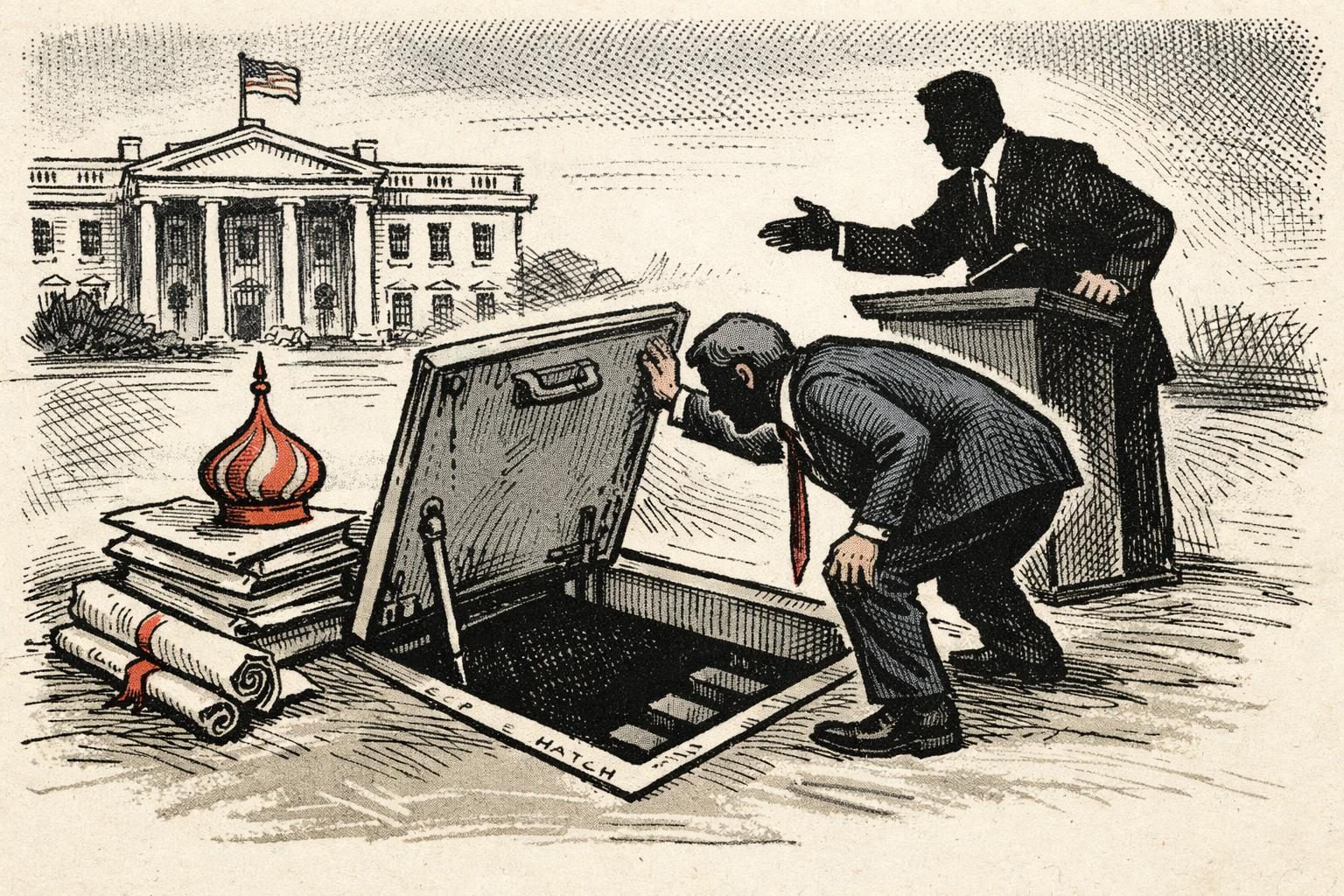
The White House on October 16 moved to put the Lindsey O. Graham Sanctioning Russia and Iran Act of 2026 into effect, turning a recently enacted sanctions law into active executive policy. On paper, the order signals a harder line toward Moscow and a faster path from congressional intent to administrative action. In practice, it also raises an immediate and politically important question: how much of that toughness is locked in, and how much can the president later set aside? That question matters because sanctions are only as strong as the rules that govern their use, and the latest order appears to leave room for significant discretion. The result is a familiar but consequential split between the image of firmness and the mechanics of enforcement.
The central issue is not whether the administration is acting, but what kind of action it is taking. Executive orders can translate statutes into working policy, yet they can also reveal where Congress chose to preserve flexibility for the president. Here, that flexibility appears to be substantial enough to invite scrutiny. If the order allows broad waiver authority, the administration may be able to suspend or narrow major pieces of the sanctions regime after making a certification or other required finding. That would mean the law’s most forceful language could coexist with an escape hatch large enough to blunt its impact. The political significance is obvious: lawmakers can advertise a hard line, but the White House may still retain the final word on how hard that line actually is.
For supporters of the law, that discretion is a feature rather than a flaw. They are likely to argue that sanctions affecting Russia, Iran, and the broader diplomatic environment cannot be administered as a rigid automatic switch. The executive branch often needs room to adjust policy as battlefield conditions, alliance dynamics, energy markets, and negotiation prospects shift. A waiver can preserve leverage, prevent self-inflicted damage, and give the president tools to calibrate pressure instead of locking the country into a one-size-fits-all response. From that perspective, the order reflects practical statecraft: impose a credible threat, but keep a door open for diplomacy or national-security exceptions. The problem is that this same argument has long been used to justify a lighter touch than the public expected when Congress passed a sanctions bill designed to look uncompromising.
Critics, however, are likely to see the new order as proof that tough sanctions legislation often becomes softer once it reaches the White House. Their concern is not abstract. Sanctions lose force when targets believe they can wait out political attention, lobby for exceptions, or rely on changing executive priorities. If the president can suspend major provisions after a relatively simple certification, the statute begins to resemble a conditional framework rather than a binding constraint. That may be legally sound and diplomatically convenient, but it also changes the meaning of the law in practice. The real test, then, is not the symbolism of passage but the durability of enforcement. Anyone trying to understand the administration’s Russia posture now has to read the order closely, because the fine print may determine whether the sanctions bite in a meaningful way or remain largely aspirational.
What makes this moment especially important is that it shifts the debate away from slogans and toward implementation. Congress can pass a bill with sharp rhetoric, and the president can sign an order with forceful language, but neither of those steps tells the whole story. The operative question is how often waivers can be used, what standards apply, and how much political cost attaches to invoking them. If the waiver authority is broad, the administration may preserve room for future bargaining even while claiming to have tightened sanctions immediately. If it is narrow, the order could still mark a serious tightening of pressure. Either way, the administration’s move means the law must now be judged by how it is administered, not simply by how it was announced. For policymakers, diplomats, and anyone watching the Russia sanctions response, that is where the real contest has begun.
Comments
Threaded replies, voting, and reports are live. New users still go through screening on their first approved comments.
Log in to comment
No comments yet. Be the first reasonably on-topic person here.