
California extracts a $500,000 settlement from Fidelity over crypto withdrawal restrictions
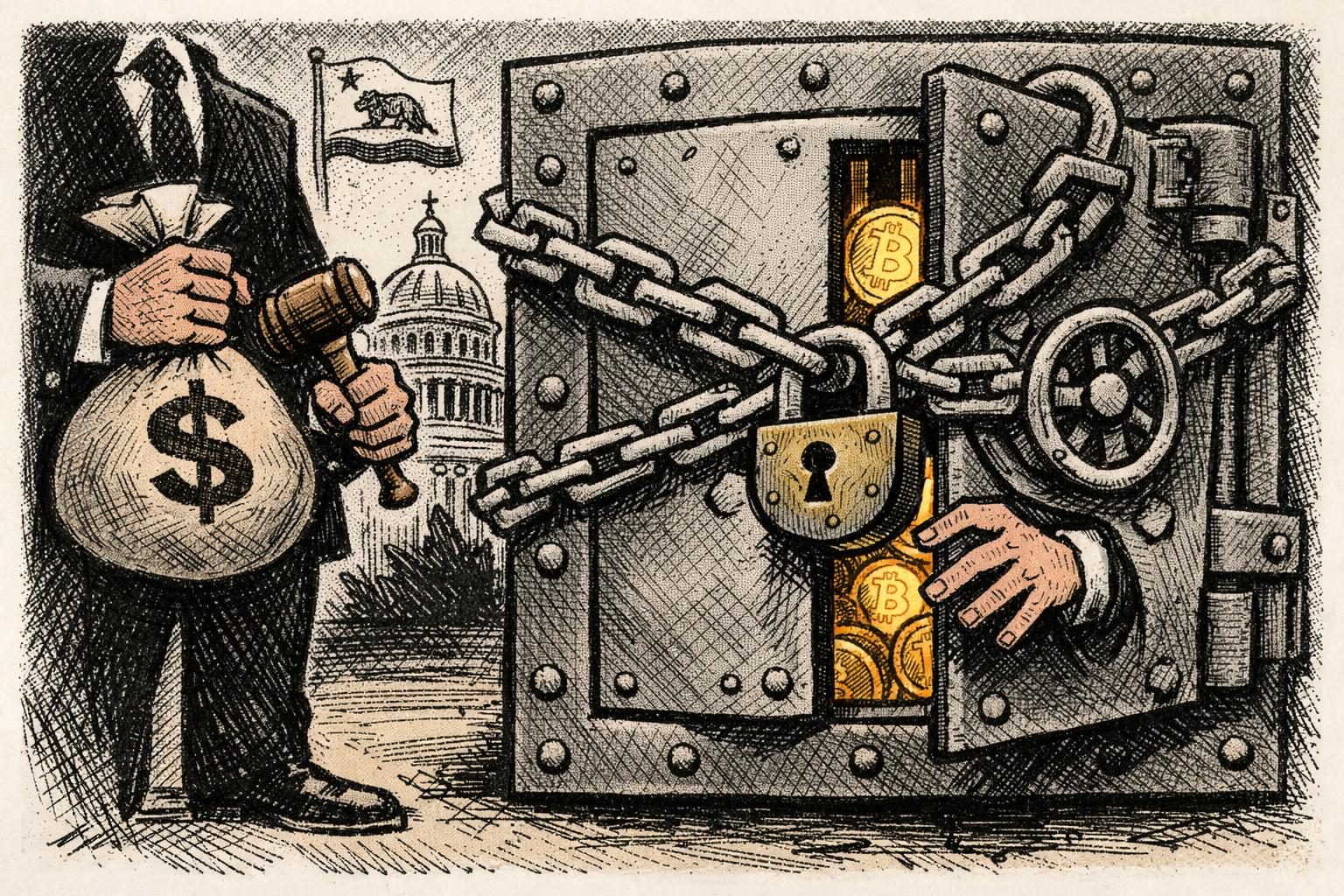
California Attorney General Rob Bonta said on October 16 that Fidelity Digital Asset Services agreed to pay $500,000 to resolve allegations tied to restrictions on customer access to crypto holdings. The state’s complaint centered on the idea that people who believed they had purchased digital assets with full control over them were instead facing barriers when they tried to withdraw or otherwise access what they owned. In the fast-moving crypto market, that distinction is not a small one. It goes to the core promise that the industry has spent years selling: direct ownership, personal control, and freedom from the kind of gatekeeping associated with traditional finance. California’s position is that those promises do not mean much if a customer still has to fight a platform to move money that should already be theirs.
The settlement is modest in dollar terms, especially for a large financial-services business, but it carries weight because it addresses a recurring consumer-protection concern rather than a one-off technical dispute. Crypto firms often market themselves as sleek alternatives to banks and brokers, yet customers can still run into the same frustrating problems that have long dogged conventional finance, including account freezes, withdrawal delays, unexplained limitations, and opaque internal rules. What makes the issue especially sensitive in crypto is that the industry often leans on a rhetoric of autonomy. Users are encouraged to believe they are stepping into a system that is less paternalistic and more transparent than the old one. When access is restricted without clear and meaningful notice, that pitch starts to look less like empowerment and more like branding.
Bonta’s office framed the matter as part of a broader effort to make sure companies selling digital financial products cannot hold themselves out as giving customers control while quietly limiting it behind the scenes. That approach reflects a larger trend in state-level enforcement, where regulators have tried to keep pace with an industry that changes its terminology and structure faster than lawmakers can rewrite statutes. The challenge is not just whether a platform violated some narrow contractual term. It is whether the practical reality of the service matched what consumers reasonably understood they were buying. In cases like this, regulators are often trying to police the gap between marketing and mechanics, which can be much wider in crypto than in more familiar financial products. A customer may think they are signing up for access to an asset, only to discover that the platform retains substantial control over when and how that asset can be moved.
The size of the penalty does not tell the whole story. Consumer-protection settlements often matter as much for the precedent they set as for the money they recover. A company that pays even a relatively small amount under state pressure is still being put on notice that withdrawal restrictions and access problems can trigger enforcement if they are not properly disclosed or justified. For regulators, these cases also help build a record that can be used when similar conduct appears elsewhere in the market. For the public, they serve as a reminder that the most important issue in crypto is not the language of innovation but the reality of control. If an asset cannot be freely accessed, then the grand sales pitch about financial sovereignty starts to fray. California’s settlement with Fidelity Digital Asset Services suggests that state authorities are still willing to test that claim, and to make companies pay when the promise of ownership turns out to be less complete than advertised.
Comments
Threaded replies, voting, and reports are live. New users still go through screening on their first approved comments.
Log in to comment
No comments yet. Be the first reasonably on-topic person here.