
Hegseth vows to guard election systems after the guardrails were gutted
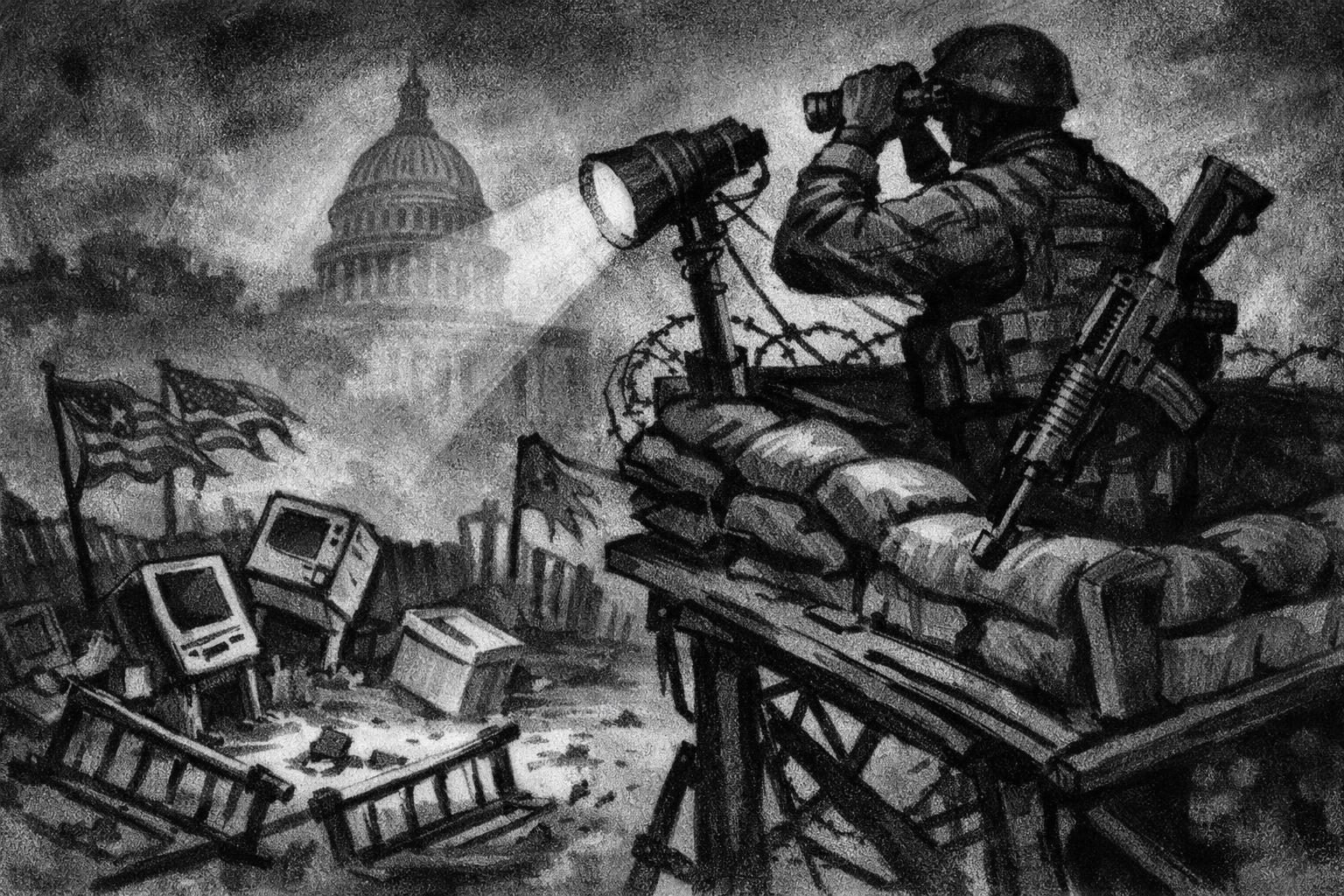
Defense Secretary Pete Hegseth says military cyber units and other national-security personnel will help protect U.S. election systems ahead of the midterms, a pledge that is supposed to sound reassuring. Instead, it lands with the kind of thud that comes when a government spends months dismantling the very civilian machinery that was built for this task and then asks the public to trust a backup plan. The announcement is framed as a response to foreign meddling and cyber threats, which are real enough to justify concern. But it also invites an obvious question: why is the Pentagon being asked to step in now, after the administration already weakened the election-security apparatus that was designed to coordinate this work in the first place? The answer, at least so far, seems to be that the system was hollowed out first and the improvisation came later.
That mismatch matters because election security is not an area that rewards dramatic gestures over steady competence. The civilian side of the federal government, especially the agencies traditionally tasked with helping states defend voter registration databases, election networks, and related infrastructure, exists for a reason. It is meant to provide continuity, technical support, and a clear chain of responsibility when states face digital threats or misinformation campaigns. When that capacity is reduced, shifted around, or treated as optional, the burden does not disappear. It simply moves somewhere else, often onto people who did not build the original system and may not have the same relationships with state and local election officials. Hegseth’s promise suggests the administration wants to project control, but projecting control is not the same as restoring the expertise, staffing, and trust that election protection depends on.
There is also a political problem hiding inside the security pitch. Military involvement in election protection can sound powerful, even comforting, to audiences primed to believe that only a hard-edged response can stop hostile actors. But elections are administered by civilians, and the credibility of the system depends on that fact remaining clear. If the federal government starts to lean too heavily on military cyber forces as the visible face of election security, it risks creating the impression that ordinary civilian safeguards were not enough or that the system is in a more fragile state than officials are willing to admit. That is not necessarily Hegseth’s stated intent, but optics matter, especially in a moment when claims about election integrity can quickly turn into partisan weapons. The more the administration talks like it is rescuing a broken system, the more it raises the suspicion that the system was broken by choices made at the top.
The administration would have a much easier case to make if it could point to a coherent, durable chain of responsibility rather than a patchwork response. Instead, it is now trying to reassure states and the public after previously undercutting the civilian office and expertise that were supposed to lead this work. That creates an awkward gap between rhetoric and reality. If the new approach is genuinely meant to strengthen election security, then it will need more than a headline-grabbing announcement and some military branding. It will need resources, coordination with election officials, and a clear explanation of how this effort fits with or replaces the civilian structures that were already in place. Until then, the administration’s message looks less like a comprehensive security strategy than an attempt to clean up after its own earlier demolition job. That may be enough for a press conference, but it is not the same thing as proving the country’s election systems are actually better protected.
Comments
Threaded replies, voting, and reports are live. New users still go through screening on their first approved comments.
Log in to comment
No comments yet. Be the first reasonably on-topic person here.