
A federal court torpedoes DHS’s attempt to tie anti-terror funds to election rules
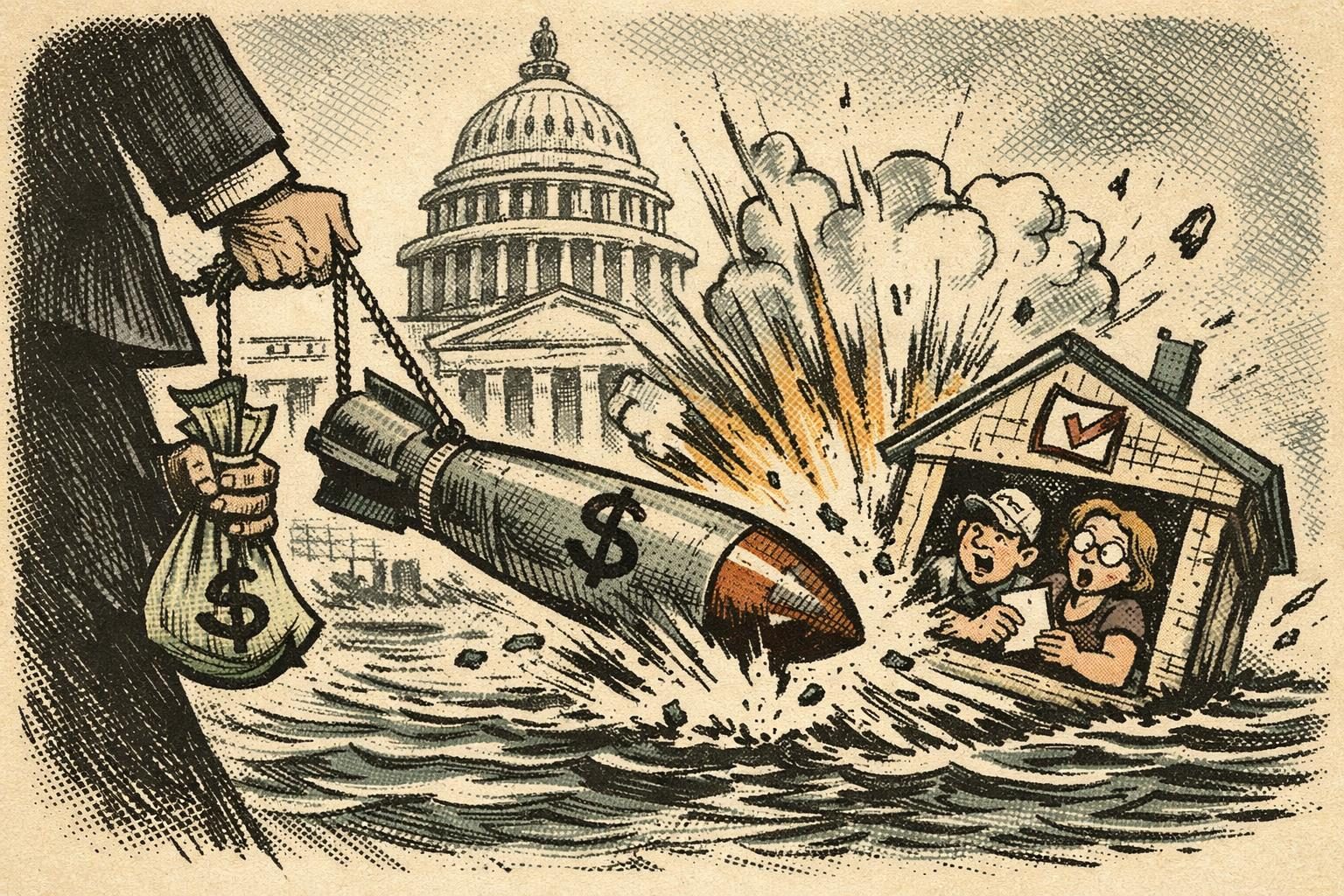
A federal court in Washington, D.C. on Sept. 28 handed Harris County and five other local governments a major win, granting summary judgment and blocking a Trump administration effort to tie tens of millions of dollars in anti-terrorism funding to changes in local election policy. The dispute centered on whether the Department of Homeland Security and the Federal Emergency Management Agency could use homeland-security money as leverage to force counties and other local entities to alter how they run elections. The plaintiffs said the federal government was trying to turn public-safety grants into a pressure campaign over election administration, and the court agreed that the arrangement was unlawful. Harris County quickly framed the decision as a defense of local control and a rejection of Washington’s attempt to rewrite election rules by way of the budget. The ruling does not end the broader fight over federal conditions on grants, but it sharply limits one of the administration’s more aggressive uses of funding as a policy weapon.
The case matters well beyond the counties that brought it because it goes to a recurring question in American government: how far can Washington go before a grant condition stops looking like a condition and starts looking like coercion? Federal officials often attach strings to money they distribute, and some of those strings are routine, even expected. But the plaintiffs argued that this was something different, because the government was not simply setting broad standards for emergency preparedness or accountability. Instead, they said, it was demanding election-policy changes under threat of losing money meant for counterterrorism and public safety. That distinction is important because it separates ordinary program oversight from a harder-edged attempt to use one policy area to control another. The court’s decision suggests there are constitutional limits on that strategy, even when the federal government insists it is merely promoting sound administration. In practical terms, the ruling says that if the government wants to influence election rules, it cannot always do so by reaching for a homeland-security purse string and hoping counties will blink.
The timing makes the decision even more sensitive, since the midterm election season is not far off and local election administration is already under heavy political scrutiny. Any attempt by the federal government to condition security funding on election procedures was always going to look like more than a neutral paperwork dispute, especially to local officials who already view federal election rhetoric with suspicion. Supporters of the administration would likely argue that election security and homeland security are related concerns, and that the government has every right to insist on tough conditions when it is distributing money intended to protect the public. But the court was not persuaded that this relationship justified the particular conditions at issue. That matters because courts often serve as the last line between a grant condition and a political demand dressed up as bureaucracy. Once a judge says the line was crossed, the government’s claim that it is simply enforcing standards becomes harder to sell, especially if the standards appear to change depending on which policy fight is on the table. The ruling also gives local officials a ready-made example of what they say federal overreach looks like when it is aimed at election administration.
The immediate practical consequence is straightforward: the plaintiffs keep the money and are not forced to adopt the election rules the administration wanted to impose. The broader consequence is less tidy and more political, because the decision adds to the growing argument that federal agencies cannot treat grant programs like a remote-control switch for local policy. That argument will almost certainly continue in future disputes over everything from public safety to elections to other areas where Washington has money and state and local governments need it. For critics of the administration, the case is another illustration of a familiar pattern: use a grant condition, call it oversight, and then discover that courts still expect the Constitution to be present in the room. For supporters, it is a reminder that broad policy goals do not always translate into lawful leverage, even when the issue involved is framed as security. Either way, the ruling reinforces a basic point that is easy to forget during a busy political fight: federal money is powerful, but it is not unlimited power. Sometimes the Constitution still gets a vote, and sometimes judges are willing to count it.
Comments
Threaded replies, voting, and reports are live. New users still go through screening on their first approved comments.
Log in to comment
No comments yet. Be the first reasonably on-topic person here.