
Judge blocks Trump’s attempt to bully states on election rules with counterterrorism money
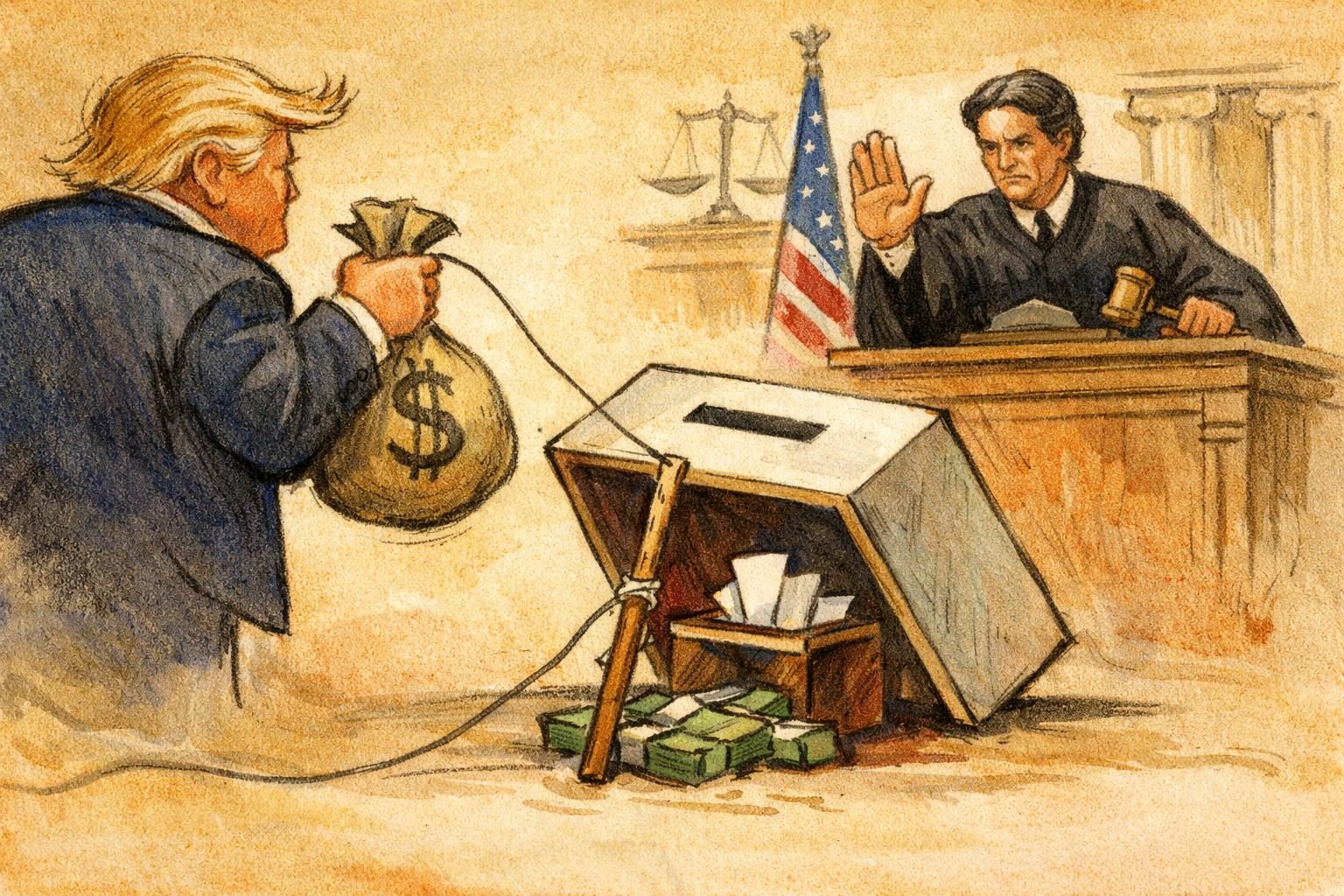
A federal judge has put a hard stop to the Trump administration’s attempt to use counterterrorism money as leverage over states that would not go along with new election-administration demands. The ruling blocks Homeland Security and the Federal Emergency Management Agency from tying grants to changes in the way states run elections, a move that immediately drew alarm from local election officials and voting-rights advocates. At its core, the case is about whether the federal government can turn a security grant into a compliance tool for politically charged election conditions. The judge said no, finding that the agencies did not have the authority to impose that kind of quid pro quo absent clear direction from Congress. That makes this more than a paperwork defeat; it is a direct judicial rejection of a pressure campaign that tried to dress itself up as public-safety policy.
The dispute lands in a larger fight over how far the administration can go in pushing election rules into federal hands while claiming it is only protecting the integrity of the vote. Officials have repeatedly leaned on fraud rhetoric and election-security language to justify actions that critics say have little to do with actual administration needs and a lot to do with political leverage. This ruling is especially damaging because the funds at issue were meant to support counterterrorism, not to function as a threat hanging over state election systems. States do not exactly have a free hand when federal money is involved, but there are limits to what Washington can demand in exchange for grants. The judge’s decision suggests those limits were crossed here, and crossed in a way that the court was not willing to tolerate. For governors, county boards, and election administrators already bracing for the next cycle, that matters a great deal. So does the message that security funding cannot simply be repurposed into an instrument of election interference when the political mood in Washington turns adversarial.
The administration’s critics see this as part of a broader effort to convert unsupported claims of election fraud into administrative power. The argument in the lawsuit was straightforward: FEMA had no statutory or constitutional basis for forcing states to accept election-related conditions in exchange for money that Congress had set aside for another purpose. The court agreed enough to halt the plan, which is a meaningful sign that judges are skeptical of the theory that executive agencies can improvise new strings just because a policy goal sounds important. The ruling also reflects a growing impatience with the idea that election administration can be managed through indirect coercion instead of lawful process. If the federal government wanted these conditions, the obvious path would have been to seek clear authorization from lawmakers first. Instead, it appears to have tried to create leverage through the grant system itself. That is the sort of maneuver that can look technical on paper and coercive in practice, especially to states asked to choose between accepting federal terms and losing money tied to public safety. The judge was not persuaded that this arrangement could be squared with the law.
The political fallout is likely to be as important as the legal one. The ruling undercuts another effort by the White House to turn election paranoia into policy, and it raises fresh doubts about whether the administration can keep using grant conditions as a shortcut around legislative limits. For state officials, the decision is a relief, at least for now, because it removes an immediate threat to funding that is supposed to help prepare for real threats rather than imagined ones. For election workers and advocates, it adds to a pattern of court losses that has made some of the administration’s election-related tactics look increasingly brittle. There is still plenty that can happen in the continuing fight over election rules, grants, and federal authority, and no single ruling settles every question. But this one is hard to spin away. It says the government cannot simply threaten to withhold counterterrorism money until states reshape how they administer elections. It says public funds are not supposed to become a hostage note. And it says that, at least in this instance, the court saw the tactic for what it was: not oversight, not security policy, but an attempted power grab with a grant application attached.
Comments
Threaded replies, voting, and reports are live. New users still go through screening on their first approved comments.
Log in to comment
No comments yet. Be the first reasonably on-topic person here.